كيف تدعم مراقبة الغبار والغاز الصناعي سلامة العمليات
يتواجد الغبار والغازات الخطرة في العديد من العمليات الصناعية، بدءًا من صناعة الأسمنت والصلب وحتى المعالجة الكيميائية وتوليد الطاقة والتكرير ومعالجة النفايات.
عندما تتغير تركيزات الغبار أو الغاز بشكل غير متوقع، قد تشير المشكلة إلى فشل المعدات، أو الاحتراق غير الطبيعي، أو التسرب، أو سوء الترشيح أو أي حالة عملية أخرى تتطلب الاهتمام.
لهذا السبب،مراقبة الغبار والغاز الصناعيليست مجرد وظيفة للتحكم في الانبعاثات. ويمكنه أيضًا توفير معلومات مفيدة لسلامة العمليات وحماية المعدات والكشف المبكر عن الأخطاء.
1. لماذا مراقبة الغبار والغاز الصناعي؟
يمكن للعمليات الصناعية أن تولد مواد جسيمية وغازات مختلفة.
تشمل الأمثلة ما يلي:
-
غازات الاحتراق
-
غازات المعالجة
-
الغازات الحمضية
-
الهيدروكربونات
-
تراب
-
الجسيمات الدقيقة
-
منتجات الاحتراق الثانوية
وبدون القياس المستمر، قد تظل التغيرات في التركيز دون أن يلاحظها أحد حتى تصبح مشكلة تشغيلية أو بيئية أكبر.
توفر المراقبة المستمرة لفرق العمليات معلومات حول ما يحدث في مجاري العادم والمناطق الأخرى الخاضعة للمراقبة.
2. مراقبة الغبار وحماية المعدات
يمكن أن يوفر تركيز الغبار معلومات مفيدة حول حالة معدات الترشيح والتحكم في الانبعاثات.
على سبيل المثال، قد تشير الزيادة المفاجئة في الغبار أسفل المرشح إلى:
-
تلف الفلتر
-
تسرب الفلتر
-
الختم السيئ
-
ظروف عملية غير طبيعية
-
مشاكل جمع الغبار
يسمح الاكتشاف المبكر للمشغلين بالتحقيق في المشكلة قبل أن تؤدي إلى معدات أكبر أو مشاكل بيئية.
ولذلك يمكن استخدام مراقبة الغبار كجزء من استراتيجية أوسع لمراقبة حالة المعدات.
3. مراقبة الغاز من أجل سلامة العمليات
يمكن لمحللات الغاز قياس مكونات محددة في غازات المعالجة أو غازات العادم.
اعتمادًا على التطبيق، قد تشمل القياسات ما يلي:
-
الأكسجين
-
أول أكسيد الكربون
-
ثاني أكسيد الكربون
-
مركبات الكبريت
-
أكاسيد النيتروجين
-
الهيدروكربونات
-
غازات أخرى خاصة بالعملية
يعتمد محلل الغاز الصحيح على العملية والغاز المستهدف ونطاق التركيز ودرجة الحرارة والضغط وظروف العينة.
4. الكشف عن ظروف العملية غير الطبيعية
قد تشير التغيرات في تركيز الغاز في بعض الأحيان إلى حدوث تغيير في العملية نفسها.
على سبيل المثال، قد تشير التغيرات غير المتوقعة في الأكسجين أو أول أكسيد الكربون إلى تغير في ظروف الاحتراق.
وبالمثل، قد يشير تركيز الهيدروكربون غير الطبيعي إلى حدوث تسرب في العملية أو أي إطلاق آخر غير مرغوب فيه.
لا يحدد القياس السبب الجذري تلقائيًا. وبدلا من ذلك، فإنه يوفر إشارة مبكرة يمكن دمجها مع قياسات عملية أخرى.
5. ينبغي استخدام بيانات الغبار والغاز معًا
ونادرا ما توفر نقطة قياس واحدة الصورة الكاملة.
على سبيل المثال، يمكن تقييم تركيز الغبار مع:
-
تدفق الغاز
-
درجة حرارة
-
ضغط
-
تركيز الأكسجين
-
ظروف الاحتراق
-
تصفية الضغط التفاضلي
وهذا يخلق صورة أكثر اكتمالا للعملية.
ولذلك قد يشمل نظام المراقبة النموذجي ما يلي:
محلل غبار + محلل غاز + قياس التدفق + الضغط + درجة الحرارة
يمكن بعد ذلك دمج الإشارات في نظام التحكم أو المراقبة بالمصنع.
6. المراقبة المستمرة للانبعاثات
تُستخدم أنظمة مراقبة الانبعاثات المستمرة، والمعروفة باسم CEMS، لقياس الملوثات المحددة أو معلمات العملية بشكل مستمر في مجاري العادم الصناعية.
اعتمادًا على التطبيق والمتطلبات التنظيمية، قد يقوم نظام إدارة البيئة (CEMS) بمراقبة الغازات والمعلمات الأخرى المتعلقة بالانبعاثات.
يوفر القياس المستمر العديد من المزايا:
تعتمد المعلمات الدقيقة المطلوبة على العملية واللوائح المعمول بها.
7. البيئات الصناعية الخطرة
يجب أن تعمل بعض معدات المراقبة في بيئات قاسية أو خطرة.
قد تشمل الاعتبارات الهامة ما يلي:
-
درجة الحرارة المحيطة
-
درجة حرارة العملية
-
تركيز الغبار
-
الغازات المسببة للتآكل
-
رطوبة
-
تصنيف المناطق الخطرة
-
حماية الضميمة
-
مادة الاستشعار
-
متطلبات الصيانة
قد تتطلب المعدات المثبتة في المناطق الخطرة شهادة مناسبة للمنطقة والتطبيق المحدد.
ولذلك يجب أن يأخذ الاختيار في الاعتبار بيئة التثبيت الكاملة بدلاً من نطاق القياس فقط.
8. أين يتم استخدام مراقبة الغبار والغاز؟
يمكن العثور على مراقبة الغبار والغاز الصناعي في العديد من القطاعات.
مصانع الاسمنت
يمكن أن تساعد مراقبة الغبار في تتبع انبعاثات الجسيمات وأداء التصفية حول الأفران ومعدات المعالجة الأخرى.
تصنيع الصلب
يمكن استخدام مراقبة الغاز حول الأفران وأنظمة الاحتراق ومعالجة غاز العمليات.
توليد الطاقة
يمكن أن يدعم قياس الغبار والغاز مراقبة الاحتراق والتحكم في الانبعاثات.
النباتات الكيميائية
يمكن أن يساعد تحليل الغاز في مراقبة ظروف العملية واكتشاف التغيرات في تكوين الغاز.
النفط والغاز
يعد اكتشاف الغاز وتحليل العمليات أمرًا مهمًا في أنظمة معالجة الهيدروكربونات ومعالجتها.
حرق النفايات
يمكن أن تساعد المراقبة المستمرة في تتبع الاحتراق والانبعاثات الناتجة عن عمليات معالجة النفايات.
9. ما الذي يجب مراعاته عند اختيار جهاز مراقبة الغبار؟
تشمل عوامل الاختيار المهمة ما يلي:
قد تكون تقنيات القياس المختلفة مناسبة لتيارات الغاز الجافة أو الرطبة أو ذات درجة الحرارة المرتفعة أو شديدة التغير.
10. ما الذي يجب مراعاته عند اختيار محلل الغاز؟
ابدأ بالغاز المستهدف ونطاق القياس المطلوب.
ثم فكر في:
-
تكوين الغاز
-
نطاق التركيز
-
ضغط
-
درجة حرارة
-
رُطُوبَة
-
المكونات المسببة للتآكل
-
تكييف العينة
-
وقت الاستجابة
-
الدقة المطلوبة
-
تصنيف المناطق الخطرة
-
واجهة الاتصالات
يمكن أن يكون نظام العينات بنفس أهمية المحلل نفسه، خاصة عندما يحتوي غاز المعالجة على رطوبة أو غبار أو مكونات مسببة للتآكل.
11. ربط بيانات المراقبة بالتحكم في العمليات
يمكن لأنظمة المراقبة الحديثة ربط أجهزة القياس بأنظمة أتمتة المصانع.
اعتمادًا على التثبيت، قد يتم نقل البيانات من خلال:
يمكن بعد ذلك عرض بيانات القياس من خلال DCS أو PLC أو SCADA أو منصة إدارة الأصول.
يتيح ذلك للمشغلين رؤية التغيرات في ظروف الغبار والغاز إلى جانب متغيرات العملية الأخرى.
12. من مراقبة الانبعاثات إلى سلامة العمليات
ويتوسع دور المراقبة الصناعية إلى ما هو أبعد من التقارير التنظيمية.
يمكن لنظام القياس المصمم جيدًا أن يدعم أيضًا:
الكشف ← الإنذار ← التحقيق ← الإجراء التصحيحي
على سبيل المثال:
زيادة الغبار ← فحص حالة الفلتر
أو:
تغيير تركيز الغاز → التحقيق في حالة العملية
لا يحل نظام المراقبة محل إجراءات سلامة العمليات أو أنظمة الكشف عن الغاز أو حكم المشغل. وبدلاً من ذلك، فهو يوفر بيانات قياس إضافية يمكن أن تدعم اتخاذ قرارات أسرع وأكثر استنارة.
خاتمة
يمكن أن تدعم مراقبة الغبار والغاز الصناعي الإدارة البيئية وسلامة العمليات.
يمكن أن يوفر القياس المستمر معلومات مبكرة حول:
-
مشاكل التصفية
-
احتراق غير طبيعي
-
تغييرات العملية
-
تسرب الغاز
-
يزداد الانبعاث
-
مشاكل المعدات
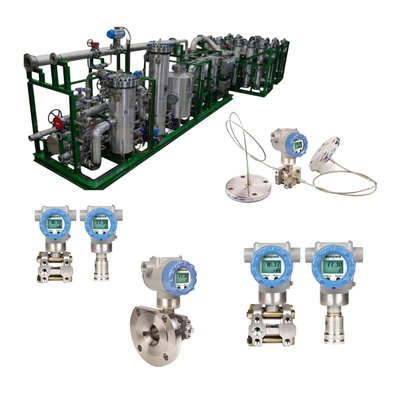
قد يتم الجمع بين حل المراقبة الكاملأجهزة تحليل الغبار، وأجهزة تحليل الغاز، وأجهزة قياس التدفق، وأجهزة إرسال الضغط، وأجهزة قياس درجة الحرارة.
يعتمد النظام الصحيح على ظروف العملية والمواد المستهدفة ونطاق القياس وبيئة التثبيت والمتطلبات المعمول بها.
يمكننا توريد أدوات القياس والتحليل الصناعية من الشركات المصنعة بما في ذلكABB، إندريس + هاوزر، سيمنز، يوكوجاوا، فيجا، كروهني وغيرها من العلامات التجارية.
إذا كنت تخطط لمشروع مراقبة الغبار أو الغاز الصناعي، فقم بتوفير وسط العملية ونقطة القياس ودرجة الحرارة والضغط ونطاق الغاز أو الغبار المستهدف لمراجعة التكوين.


 يجب أن تكون رسالتك بين 20-3000 حرف!