تصنيف وديناميكيات التحكم في الصمامات
في المشهد المعقد للتحكم في العمليات الصناعية، صمامات التحكم تُصنف على أنها "عناصر التحكم النهائية". بينما تتعامل المستشعرات ووحدات التحكم مع البيانات، يقوم صمام التحكم بأداء العمل المادي لتعديل طاقة السوائل. يعد اختيار بنية الصمام المناسبة قرارًا هندسيًا حاسمًا يحدد استقرار النظام وكفاءة الطاقة والتكلفة الإجمالية للملكية (TCO).
تقدم هذه المقالة تعمقًا تقنيًا في التصنيفات الرئيسية لصمامات التحكم، مع تحليل ملفاتها الميكانيكية وخصائص ديناميكيات السوائل.
1. صمامات التحكم ذات الحركة الخطية
تستخدم الصمامات الخطية تصميمًا بساق منزلق حيث يتحرك عضو الإغلاق في خط مستقيم لتغيير مساحة التدفق.
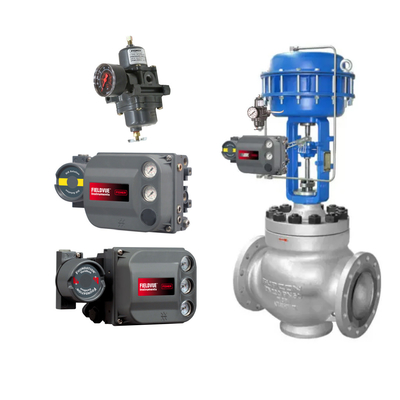
أ. صمامات التحكم الكروية
صمام الكرة هو "المعيار الذهبي" لتطبيقات الاختناق. يتميز تصميمه بمقبس يتحرك عموديًا مقابل حلقة مقعد.
-
ديناميكيات السوائل: يخلق مسار التدفق على شكل حرف S انخفاضًا عاليًا في الضغط ($Delta P$)، وهو مثالي لامتصاص الطاقة في الأنظمة عالية الضغط.
-
تنوع القطع الداخلية: توفر مجموعة متنوعة من تصميمات القطع الداخلية (خطية، نسبة مئوية متساوية، أو فتح سريع) لمطابقة خصائص الحلقة المحددة للعملية.
-
الميزة الهندسية: نطاق تحكم فائق والقدرة على التعامل مع التدفقات عالية السرعة بأقل اهتزاز عند تثبيتها بشكل صحيح.
ب. صمامات البوابة (تحكم متخصص)
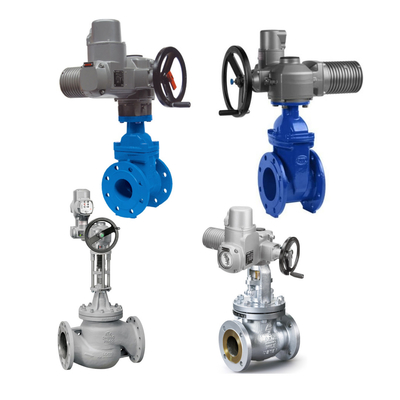
بينما تستخدم تقليديًا للعزل (تشغيل/إيقاف)، تم تصميم بعض صمامات البوابة ذات الشفرة أو صمامات الانزلاق المتوازية مع إدخالات متخصصة على شكل حرف V للاختناق الخشن في خدمات الملاط الثقيل.

2. صمامات التحكم ذات الحركة الدورانية
تستخدم الصمامات الدورانية عضو إغلاق يدور عبر قوس 90 درجة. تُفضل هذه بشكل متزايد في المصانع الحديثة نظرًا لقدرتها العالية على التدفق وأبعادها المدمجة.
أ. صمامات الكرة ذات المنفذ على شكل V
على عكس صمام الكرة ذي التجويف القياسي، يتميز صمام الكرة ذو المنفذ على شكل V بملف تعريف مشقوق متخصص.
-
تأثير القص: مع دوران الكرة، يخلق المنفذ على شكل V تأثير قص ضد المقعد، مما يجعله الخيار الأول للمواد الصلبة المعلقة أو الوسائط الليفية (مثل لب الورق).
-
خاصية التدفق: يوفر بشكل طبيعي خاصية تدفق نسبة مئوية متساوية، والتي تعوض عن انخفاضات الضغط غير الخطية في مسارات الأنابيب الطويلة.
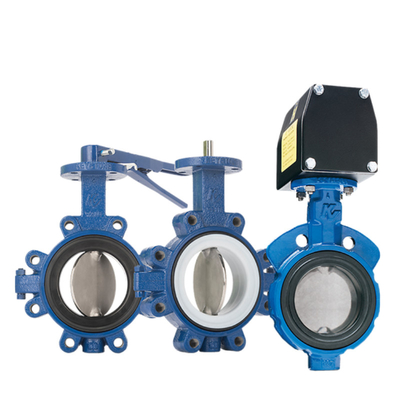
ب. صمامات الفراشة عالية الأداء
تطورت صمامات الفراشة الحديثة إلى ما هو أبعد من تطبيقات أعمال المياه البسيطة.
-
إزاحة مزدوجة وثلاثية: تضمن هذه التصميمات رفع القرص عن المقعد فورًا عند الدوران، مما يقلل من عزم الدوران وتآكل المقعد.
-
الحجم الاقتصادي: توفر أعلى أو تحليل للتجويف لمجموعة محددة من معلمات العملية الخاصة بك؟ (معامل التدفق) لكل رطل من وزن الصمام، مما يجعلها الخيار الأكثر استدامة لخطوط الغاز أو السائل ذات القطر الكبير.
ج. صمامات المكبس اللامركزية (نمط كامفليكس)
يتبع المكبس مسارًا لامركزيًا، "يُقفل" في المقعد. هذا يلغي الاحتكاك خلال معظم الشوط، مما يطيل عمر الأختام في البيئات الكاشطة.
مقارنة تقنية: مصفوفة الأداء للمهندسين
للمساعدة في عملية الاختيار الصارمة، تقارن الجدول التالي المعلمات التقنية الرئيسية عبر أربعة هياكل رئيسية لصمامات التحكم:
| المعلمة التقنية |
صمام الكرة |
كرة ذات منفذ على شكل V |
فراشة (مزاحة) |
مكبس لامركزي |
| خاصية التدفق |
خطي / نسبة مئوية متساوية |
نسبة مئوية متساوية |
خطي معدل |
خطي / نسبة مئوية متساوية |
| استعادة الضغط |
عالية (منخفض $F_L$) |
منخفض (مرتفع $F_L$) |
الأدنى |
متوسط |
| نطاق التحكم |
50:1 |
300:1 |
30:1 |
100:1 |
| خطر التجويف |
مرتفع |
متوسط |
مرتفع |
متوسط |
| فئة الإغلاق |
الفئة الرابعة، الخامسة، السادسة |
الفئة السادسة |
الفئة السادسة |
الفئة الرابعة، السادسة |
| نسبة الوزن/الحجم |
مرتفع (ثقيل) |
متوسط |
منخفض جدًا (خفيف) |
متوسط |
3. الصمامات المتخصصة وصمامات الخدمة الشاقة
في البيئات الصناعية القاسية، قد تفشل الصمامات القياسية بسبب التجويف، التبخير، أو الضوضاء الهوائية.
-
صمامات القطع الداخلية متعددة المراحل: تستخدم سلسلة من مسارات التدفق المقيدة (أقراص متاهة) لخفض الضغط تدريجيًا، مما يمنع السائل من الوصول إلى ضغط بخاره ويقضي على تلف التجويف.
-
صمامات التحكم المبردة: تتميز بقلنسوات ممتدة لإبعاد الحشو والمشغل عن البرودة الشديدة، مما يضمن سلامة ختم الساق.
الخلاصة: استراتيجية اختيار متكاملة
يتطلب الاختيار الفعال لصمام التحكم رؤية شاملة لحلقة العملية. بينما يوفر صمام الكرة دقة لا مثيل لها لنظام تغذية مياه الغلاية، قد يكون صمام الفراشة هو الحل الوحيد الممكن تقنيًا واقتصاديًا لرأس مياه تبريد بقطر 24 بوصة. يجب على المهندسين الموازنة بين متطلبات أو تحليل للتجويف لمجموعة محددة من معلمات العملية الخاصة بك؟ مقابل ملف $Delta P$ والخصائص الفيزيائية للوسط.هل ترغب في أن أقوم بإجراء حساب
$C_v$ أو تحليل للتجويف لمجموعة محددة من معلمات العملية الخاصة بك؟


 يجب أن تكون رسالتك بين 20-3000 حرف!